
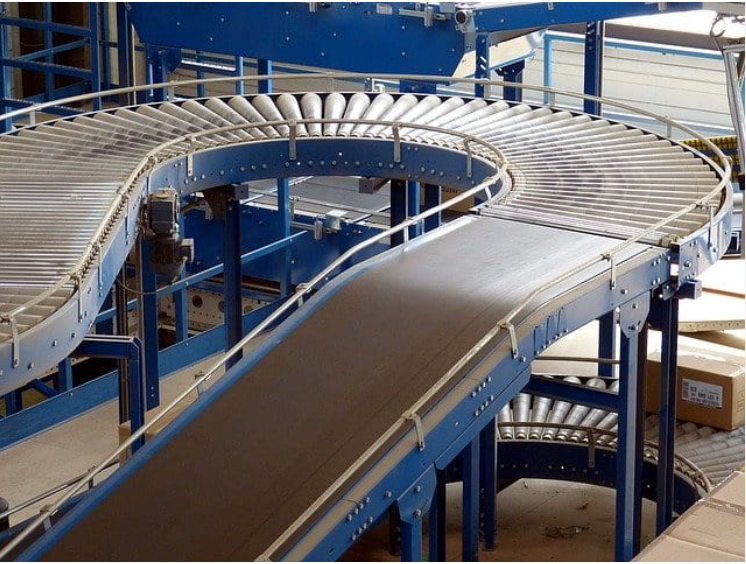
Wire mesh belt conveyor systems are widely used by businesses that require dependable material handling, controlled product movement, and reliable performance across demanding industrial processes. Their open mesh construction makes them particularly useful for applications involving heating, cooling, drying, washing, baking, coating, and other processes where airflow or liquid drainage is important.
From food processing and manufacturing to heat treatment and industrial production, choosing the right conveyor can help businesses maintain consistent workflows and improve operational efficiency.
Designed for Diverse Industrial Applications
Different industries have different material handling requirements. Products may need to pass through ovens, cooling zones, washing systems, drying chambers, or inspection areas before reaching the next stage of production.
A wire mesh belt conveyor provides a continuous transportation surface that can be adapted to many of these applications. The mesh structure allows air, heat, and liquids to pass through the belt, making it suitable for processes where ventilation, drainage, or temperature control is required.
This versatility is one reason businesses consider wire mesh conveyors for specialized production environments.
Supporting Heat-Related Processes
Many manufacturing and food processing operations involve heating or cooling products. A solid belt can sometimes restrict airflow around the product, whereas a mesh design allows air to circulate through the conveyor surface.
This can make a wire mesh belt conveyor useful for applications such as:
- Baking
- Heating
- Cooling
- Drying
- Frying
- Heat treatment
- Coating
The appropriate belt material and configuration should be selected according to the operating temperature, product characteristics, and process requirements.
Improving Product Movement
Reliable product transportation is essential for maintaining an efficient production line. Manual movement between different processing stages can create delays and increase labour requirements.
A wire mesh conveyor provides a continuous route for moving products through different stages. This allows businesses to maintain a more consistent workflow while reducing unnecessary manual intervention.
In high-volume production environments, continuous transportation can help equipment operate more efficiently and reduce interruptions between processes.
Supporting Better Airflow and Drainage
One of the major advantages of a wire mesh design is its open structure. Air can pass through the belt more easily, which can be beneficial during drying and cooling operations.
Liquids can also drain through the mesh surface, making these conveyors suitable for certain washing, cleaning, coating, and food processing applications.
This design can help businesses achieve better process control while maintaining efficient product movement.
Suitable for Food Processing
Food processing facilities often require conveyor systems that can handle repeated exposure to heat, moisture, cleaning processes, and different production conditions.
A properly selected wire mesh belt conveyor can support applications such as baking, cooling, drying, washing, and processing. The conveyor should be chosen according to the required hygiene standards, product characteristics, temperature, cleaning procedures, and operating environment.
Selecting appropriate construction materials and maintaining the system regularly are important for reliable food processing operations.
Reducing Manual Handling
Businesses are increasingly looking for ways to reduce repetitive manual tasks. Workers who repeatedly lift, carry, or transfer products between production stages may spend significant time on transportation rather than higher-value responsibilities.
A conveyor system automates this movement and allows employees to focus on quality inspection, process monitoring, equipment operation, and maintenance.
This can improve workforce utilization and contribute to a more organized production environment.
Supporting Long-Term Performance
Reliability is an important factor when businesses invest in industrial equipment. A conveyor operating in demanding conditions needs appropriate components and regular maintenance to maintain consistent performance.
Routine inspection of the belt, rollers, bearings, drive system, and supporting structure can help identify wear or potential problems early. Proper cleaning and maintenance are particularly important in food processing and applications involving moisture or high temperatures.
Choosing a conveyor based on the actual operating conditions can also help improve service life and reduce unexpected downtime.
Flexible Solution for Modern Manufacturing
Modern production lines often require equipment that can adapt to different processes. A wire mesh conveyor can be configured according to factors such as belt width, length, load capacity, speed, material, and operating temperature.
Businesses can explore Tech Trek Engineering’s Wire Mesh Belt Conveyor for applications requiring reliable and continuous material transportation.
The right configuration can help businesses integrate the conveyor into existing production equipment and create a smoother material handling workflow.
Conclusion
A wire mesh belt conveyor offers businesses a reliable solution for applications where controlled material movement, airflow, drainage, heating, cooling, or drying is required. Its versatility makes it suitable for a range of industries, including food processing, manufacturing, heat treatment, and industrial production.
By selecting the appropriate conveyor configuration and following a regular maintenance schedule, businesses can achieve consistent performance and support long-term production efficiency.
Frequently Asked Questions
1. What is a wire mesh belt conveyor used for?
A wire mesh belt conveyor is commonly used for transporting products through heating, cooling, drying, washing, baking, coating, and other industrial processes.
2. Why is the mesh design beneficial?
The open mesh structure allows air and heat to pass through the belt and can also allow liquids to drain, making it useful for specialized processing applications.
3. Is a wire mesh belt conveyor suitable for food processing?
Yes, appropriately designed wire mesh conveyors can be used for food processing applications such as baking, drying, cooling, and washing, subject to the required hygiene and material specifications.
4. Can wire mesh conveyors handle high temperatures?
Certain wire mesh conveyor configurations can be designed for high-temperature applications. The belt material and construction should be selected according to the specific operating temperature.
5. How can businesses maintain conveyor reliability?
Regular inspection, cleaning, lubrication where applicable, belt alignment checks, and timely replacement of worn components can help maintain reliable conveyor performance.