
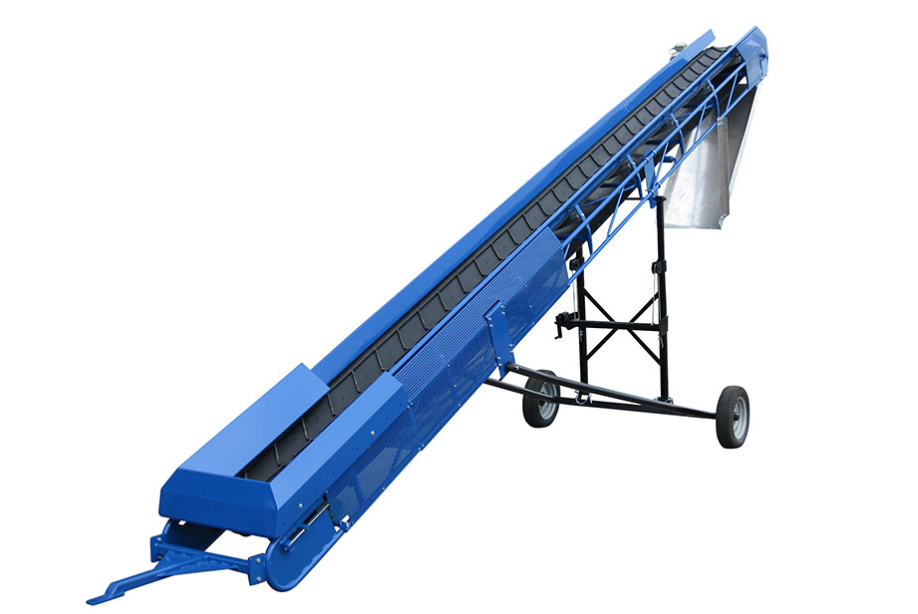
Truck loading conveyor systems are becoming an important part of modern warehouse, logistics, manufacturing, and distribution operations where fast and organized dispatch is essential. Loading goods manually into trucks can require significant labour, take more time, and create unnecessary handling challenges. A properly designed conveyor system helps move cartons, packages, bags, boxes, and other materials toward the vehicle in a more controlled and efficient manner.
As businesses handle increasing order volumes and tighter delivery schedules, improving the loading process can have a direct impact on overall operational efficiency. Truck loading conveyors provide a practical way to streamline dispatch while reducing repetitive manual material movement.
Faster Truck Loading Operations
One of the biggest reasons businesses choose a truck loading conveyor is to reduce the time required for loading. Manual loading often involves workers repeatedly picking up materials, carrying them to the truck, and arranging them inside the vehicle.
A conveyor creates a continuous path between the material staging area and the truck. Products can move along the conveyor with less interruption, allowing workers to focus primarily on positioning and arranging the goods.
Faster loading can be particularly valuable for warehouses and distribution centres handling multiple vehicles throughout the day. Reducing the loading time for each vehicle can help improve the overall dispatch schedule.
Reduces Manual Material Handling
Repeated lifting and carrying can place physical demands on workers, particularly when packages or materials are heavy or when loading activities continue for several hours.
A truck loading conveyor can reduce the amount of manual transportation required between the warehouse floor and the vehicle. Materials are moved mechanically rather than being carried over the entire distance.
This can help create a more organized workflow and allow employees to spend more time on activities such as checking, sorting, positioning, and securing products.
Improves Warehouse Productivity
Warehouse productivity depends on more than storage capacity. The speed at which goods move through receiving, storage, picking, packing, staging, and dispatch areas also matters.
A conveyor can connect the staging area with the truck loading point and create a smoother transition between warehouse operations and dispatch. When material movement is better organized, workers can complete loading tasks with fewer unnecessary movements.
This can be particularly useful for businesses with high-volume dispatch operations where even small improvements in loading efficiency can make a difference over time.
Supports Consistent Material Flow
Manual loading can vary depending on the number of workers available, workload, and physical conditions. Conveyor-based movement provides a more consistent method of transferring products toward the vehicle.
A truck loading conveyor can help maintain a steady flow of materials from the warehouse or staging area. When integrated correctly with other material handling equipment, it can become part of a continuous workflow.
Consistent material movement also makes it easier for supervisors and warehouse teams to plan loading activities according to dispatch schedules.
Suitable for Different Types of Materials
Truck loading conveyors can be used for handling a wide range of products, depending on their design and configuration. These may include cartons, boxes, packages, bags, containers, and other unit loads.
The conveyor can be designed according to factors such as product dimensions, weight, required conveying speed, loading distance, and available space.
Businesses should select a system based on the actual characteristics of their products rather than choosing equipment solely on general specifications.
Helps Optimize Available Space
Warehouse and loading areas often have limited space. Conventional material movement may require wide access paths or additional equipment to transport goods between the warehouse and truck.
A suitably configured conveyor can provide a defined material movement route while making better use of the available loading area. Depending on the system design, conveyors can also be configured to accommodate different loading positions.
This makes them useful for facilities where efficient use of floor space is an important consideration.
Improves Loading Organization
An efficient dispatch process requires proper coordination. Products need to reach the correct vehicle at the appropriate time and should be positioned in a way that supports safe and organized loading.
A conveyor can help establish a fixed material flow path between the staging area and the truck. This can reduce unnecessary movement around the loading zone and help employees maintain a more structured workflow.
Better organization can also help reduce confusion during busy dispatch periods.
Supports High-Volume Dispatch Operations
Businesses involved in e-commerce, logistics, FMCG, manufacturing, retail distribution, and warehousing may handle large numbers of shipments every day. Manual loading can become increasingly difficult as dispatch volumes increase.
A truck loading conveyor provides mechanical assistance that can support higher material movement requirements. Instead of depending entirely on manual transportation, businesses can incorporate conveyor systems into their dispatch process.
This can make the loading operation more scalable as business requirements grow.
Can Be Integrated With Existing Material Handling Systems
A truck loading conveyor does not necessarily need to operate as an isolated piece of equipment. It can be incorporated into a larger material handling system.
For example, products may move from a packing conveyor to a staging area and then onto the truck loading conveyor. Additional equipment such as roller conveyors, belt conveyors, sorting systems, or other handling solutions can also be integrated depending on the facility layout.
Proper integration can help create a connected workflow from production or packing through final dispatch.
Choosing the Right Truck Loading Conveyor
Selecting the appropriate conveyor requires consideration of several factors. Businesses should evaluate the type and weight of materials being handled, required capacity, conveyor length, loading height, available space, operating environment, and expected usage.
The conveyor’s belt, frame, drive system, controls, and other components should be selected according to the intended application. Customization may also be required when the loading area has specific space or operational constraints.
Businesses can explore Tech Trek Engineering’s truck loading conveyor solution here:
https://techtrekconveyor.com/products/truck-loading-belt-conveyor
Choosing a conveyor that matches the actual requirements of the operation can help businesses achieve better performance and long-term value.
Reduces Operational Delays
Dispatch delays can affect delivery schedules and warehouse efficiency. When trucks remain at loading bays for longer periods, the loading area can become congested, potentially affecting other vehicles waiting to be processed.
By supporting faster and more organized material movement, a truck loading conveyor can help reduce unnecessary loading delays. This can contribute to better utilization of loading bays and smoother vehicle movement within the facility.
Supports Better Labour Utilization
Automation does not necessarily mean eliminating human involvement. Instead, conveyor systems can help employees work more effectively by reducing repetitive transportation tasks.
Workers can focus on activities that require attention and decision-making, such as product inspection, counting, arranging, scanning, and load organization. The conveyor handles much of the repetitive movement between the staging point and the truck.
This can help businesses make better use of their available workforce.
Conclusion
A truck loading conveyor can provide significant advantages for businesses looking to improve dispatch efficiency. By supporting faster loading, reducing manual transportation, improving material flow, and creating a more organized loading process, conveyor systems can become an important part of modern warehouse and logistics operations.
The right conveyor should be selected according to the products, loading requirements, facility layout, and expected workload. With suitable design and integration, a truck loading conveyor can help businesses improve productivity while supporting smoother and more reliable dispatch operations.
Frequently Asked Questions
1. What is a truck loading conveyor?
A truck loading conveyor is a material handling system designed to transport goods from a warehouse, staging area, or production facility toward a truck for efficient loading and dispatch.
2. What are the main benefits of a truck loading conveyor?
Key benefits include faster material movement, reduced manual handling, improved workflow, better labour utilization, organized loading, and support for high-volume dispatch operations.
3. What materials can be handled using a truck loading conveyor?
Depending on the conveyor design, it can handle cartons, boxes, packages, bags, containers, and other suitable unit loads.
4. Can a truck loading conveyor be customized?
Yes. Conveyor dimensions, length, loading height, belt specifications, speed, drive system, and other features can be selected according to specific application requirements.
5. Is a truck loading conveyor suitable for warehouses?
Yes. Truck loading conveyors can be particularly useful in warehouses and distribution facilities where goods need to be moved regularly from staging areas into delivery vehicles.
6. How does a truck loading conveyor reduce manual work?
It mechanically transports materials toward the truck, reducing the need for workers to repeatedly carry products across the loading area.
7. How should a business choose a truck loading conveyor?
Businesses should consider material type and weight, required capacity, conveyor length, loading height, available space, operating conditions, and dispatch volume before selecting a suitable system.