
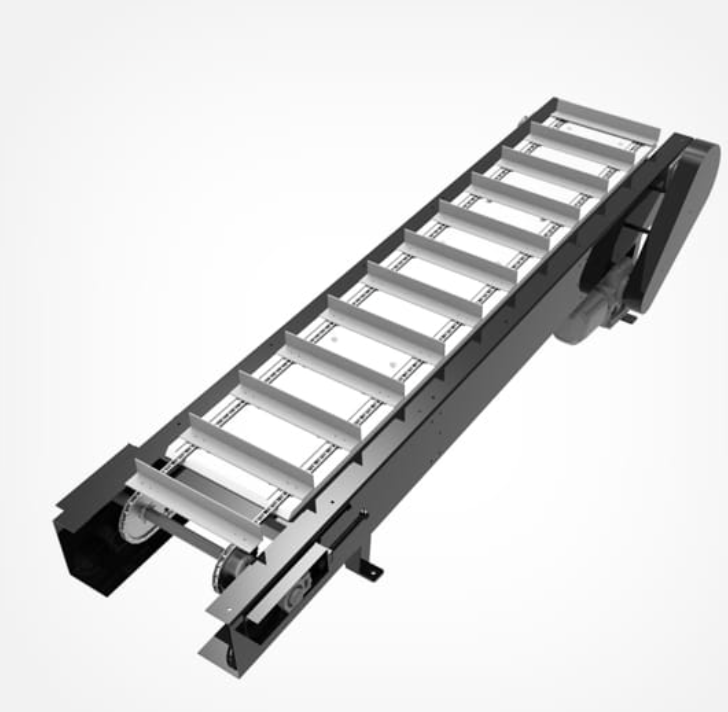
Efficient bulk material transport is an important part of many industrial operations. Factories, processing plants, warehouses, cement facilities, power plants, and other industries need reliable systems to move large quantities of materials safely and consistently. A drag chain conveyor supplier plays an important role in providing conveyor solutions that can handle demanding material movement requirements while supporting better productivity and operational efficiency.
Drag chain conveyors are designed to move bulk materials through a controlled conveying path using chains and flights. Their sturdy construction makes them suitable for applications where materials need to be transported over longer distances or through challenging industrial environments. Choosing the right supplier can therefore have a direct impact on conveyor performance, maintenance requirements, and overall material handling efficiency.
What Is a Drag Chain Conveyor?
A drag chain conveyor is a mechanical material handling system that uses one or more chains fitted with flights or attachments to move bulk materials along a trough or enclosed conveying path. Instead of carrying materials on a continuously moving belt, the chain assembly drags the material from one point to another.
These conveyors can be used for transporting materials such as coal, ash, cement, grains, aggregates, wood products, industrial waste, and other bulk materials. Their enclosed or semi-enclosed design can also help control material movement and reduce unnecessary spillage in suitable applications.
Because bulk materials can vary considerably in weight, size, moisture content, and flow characteristics, conveyor selection needs to be based on the specific operating conditions.
Why Choosing the Right Drag Chain Conveyor Supplier Matters
Working with an experienced drag chain conveyor supplier is important because the conveyor must be designed around the actual requirements of the application. A standard system may not always provide the required capacity, durability, or conveying arrangement.
A reliable supplier can help businesses consider factors such as:
- Material type and characteristics
- Required conveying capacity
- Conveyor length
- Horizontal or inclined movement
- Operating environment
- Chain and flight configuration
- Motor and drive requirements
- Trough or housing design
- Maintenance accessibility
- Safety requirements
Proper consideration of these factors can help prevent problems caused by selecting a conveyor that is unsuitable for the intended application.
Supports Efficient Bulk Material Movement
One of the main advantages of a drag chain conveyor is its ability to transport bulk materials in a controlled manner. The chain and flight arrangement continuously pushes or drags the material through the conveying path.
This makes the system useful for industrial processes where large volumes of material need to be transferred between different stages of production. Consistent material movement can help reduce interruptions and maintain a smoother production flow.
For industries handling heavy or abrasive materials, choosing a conveyor with suitable construction and components is particularly important for maintaining reliable performance.
Helps Reduce Manual Material Handling
Manual transportation of bulk materials can require significant labour and can become difficult when materials are heavy, dusty, or generated in large quantities. A drag chain conveyor can automate much of this movement.
By integrating a conveyor into the material handling process, businesses can reduce the need for workers to repeatedly move materials between locations. This can improve workflow and allow employees to focus on other important production and operational activities.
Automation also makes material movement more predictable, particularly when the conveyor is properly integrated with other equipment.
Suitable for Demanding Industrial Applications
Industrial material handling systems often operate under challenging conditions. Dust, heavy loads, continuous operation, abrasive materials, and high production volumes can place considerable demands on conveying equipment.
A professionally designed drag chain conveyor can be constructed to suit these conditions. The choice of chain, flights, drive system, frame, trough, and other components can be adjusted according to application requirements.
This is why selecting an experienced supplier is important. The supplier should understand the operating environment and recommend a configuration that matches the material and process requirements.
Customization Improves Conveyor Performance
Every industrial facility has different material handling requirements. Conveyor length, capacity, layout, material properties, and available installation space can all vary.
A dependable drag chain conveyor supplier can provide customized solutions instead of relying on a single standard configuration. Customization may involve conveyor dimensions, chain arrangements, drive specifications, materials of construction, discharge points, loading arrangements, and other design considerations.
A system designed around the actual plant layout can make installation easier and help improve the overall efficiency of material movement.
Better Integration With Industrial Processes
Modern factories often use multiple machines and material handling systems as part of a single production process. A drag chain conveyor can be integrated with equipment such as feeders, hoppers, crushers, storage systems, processing machines, and other conveyors.
Proper integration helps maintain a continuous material flow from one stage to another. A supplier with experience in industrial conveyor systems can help determine how the drag chain conveyor should connect with existing equipment.
This approach can be especially valuable for facilities looking to improve automation without completely redesigning their material handling infrastructure.
Importance of Durable Conveyor Construction
Durability is another important consideration when transporting bulk materials. Heavy and abrasive materials can cause wear on conveyor components over time.
The construction materials, chain design, flights, bearings, drive components, and other parts should therefore be selected according to the application. Proper engineering can help improve service life and reduce unnecessary maintenance.
Businesses looking for a suitable drag chain conveyor can explore Tech Trek Engineering’s product solution here:
Selecting the right equipment at the beginning can help businesses avoid frequent breakdowns and unexpected operational interruptions.
Reducing Maintenance and Downtime
Unplanned conveyor downtime can affect the entire production process. When a material handling system stops, connected equipment may also be forced to operate at reduced capacity or stop completely.
Choosing the right conveyor configuration and components can help reduce unnecessary maintenance issues. Regular inspection and preventive maintenance are also important for checking chain condition, drive components, bearings, flights, and other wear parts.
A knowledgeable drag chain conveyor supplier can also provide guidance on suitable maintenance practices and component selection based on the operating conditions.
Improving Overall Material Handling Efficiency
Efficient bulk material transport is not only about moving material from one location to another. It is also about maintaining consistent production flow, controlling labour requirements, reducing material losses, and supporting reliable plant operations.
A properly selected drag chain conveyor can contribute to these objectives by providing controlled and automated material movement. When the conveyor is correctly sized and designed for the application, it can become an important part of a dependable bulk material handling system.
Choosing the Right Drag Chain Conveyor Supplier
Before selecting a supplier, businesses should evaluate more than just the initial conveyor price. Important factors include engineering capability, customization options, component quality, application knowledge, installation support, and after-sales service.
A good supplier should be able to understand the material handling challenge and recommend a practical conveyor configuration. They should also be able to provide technical guidance throughout the selection and installation process.
For businesses handling bulk materials regularly, choosing an experienced drag chain conveyor supplier can therefore be a long-term investment in operational reliability and productivity.
Conclusion
A drag chain conveyor can provide an effective solution for transporting bulk materials across demanding industrial environments. Its ability to move heavy and bulk materials in a controlled manner makes it suitable for many material handling applications.
However, the performance of the system depends heavily on proper design, component selection, installation, and maintenance. This makes choosing the right drag chain conveyor supplier an important decision for businesses seeking reliable bulk material transport.
With the right conveyor solution, industries can reduce manual handling, improve material flow, support automation, and create a more efficient production environment.
Frequently Asked Questions
1. What is a drag chain conveyor used for?
A drag chain conveyor is primarily used to transport bulk materials through industrial facilities. It can be suitable for materials such as coal, ash, cement, aggregates, grains, and other bulk products depending on the conveyor design.
2. Why is a drag chain conveyor supplier important?
A reliable supplier can help select and design a conveyor according to the material type, capacity, conveyor length, layout, operating environment, and other application requirements.
3. Can drag chain conveyors be customized?
Yes. Drag chain conveyors can be customized according to conveying capacity, dimensions, chain configuration, drive requirements, construction materials, discharge arrangements, and plant layout.
4. Are drag chain conveyors suitable for heavy materials?
They can be suitable for many heavy-duty bulk material applications when properly designed and sized according to the material characteristics and operating conditions.
5. How can a drag chain conveyor improve industrial efficiency?
It can automate bulk material movement, reduce manual handling, maintain consistent material flow, and help connect different stages of an industrial process.
6. What should businesses consider when selecting a drag chain conveyor supplier?
Businesses should consider the supplier’s engineering experience, customization capabilities, product quality, application knowledge, technical support, maintenance assistance, and after-sales service.