
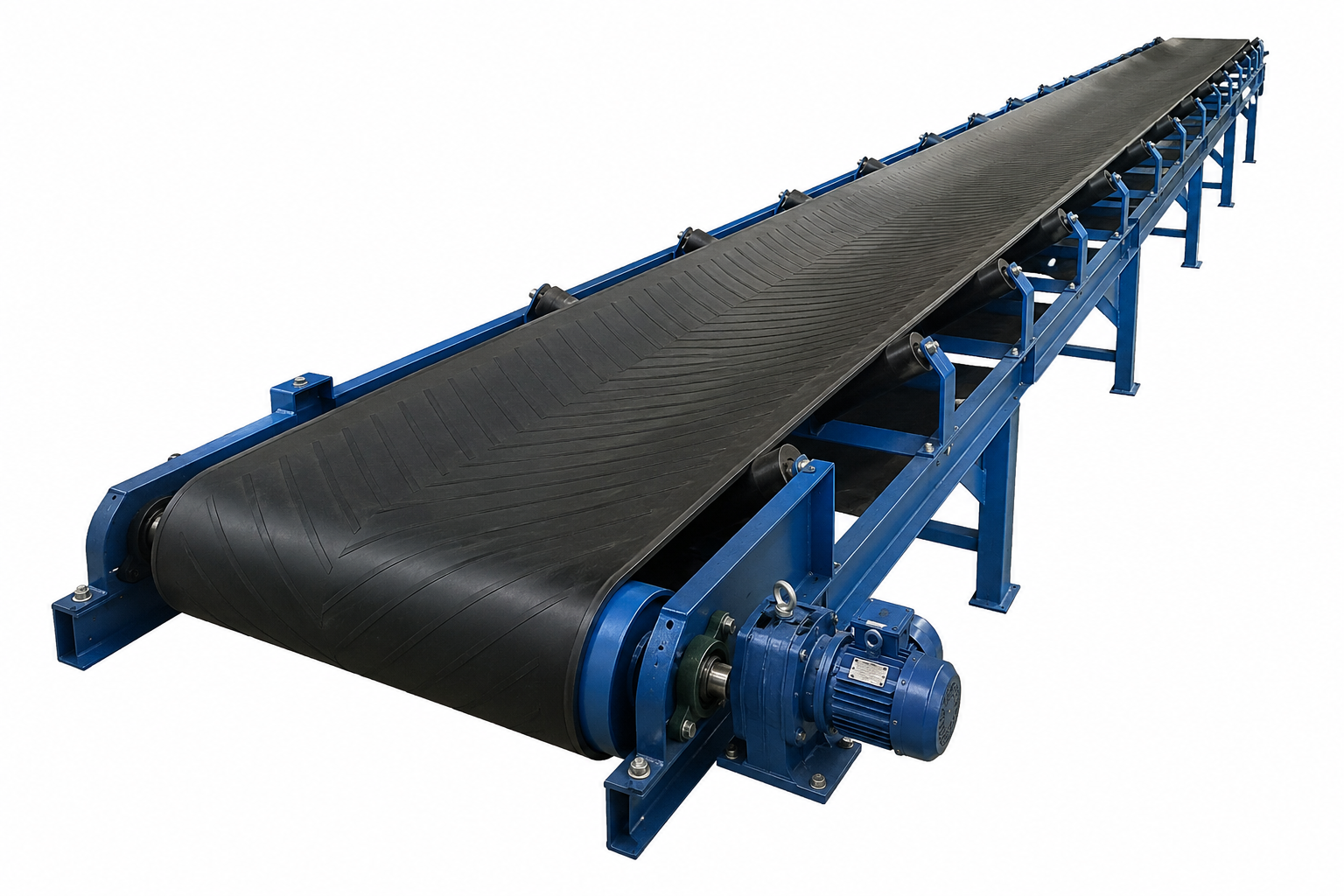
Rubber conveyor solutions have become an essential part of modern industrial material handling, helping businesses achieve smoother operations, higher productivity, and reduced operational challenges. Industries such as manufacturing, mining, packaging, food processing, agriculture, and logistics require reliable conveyor systems to transport materials continuously and efficiently. The use of high-quality belt materials and advanced conveyor designs ensures that industrial processes remain streamlined and cost-effective.
Among various material handling technologies, belt conveyor rubber plays a crucial role in improving the performance, durability, and reliability of conveyor systems. Its flexibility, strength, and resistance to wear make it suitable for handling different types of materials, from lightweight products to heavy bulk loads.
The Importance of Rubber Conveyor Systems in Industrial Operations
A well-designed rubber conveyor helps industries maintain a continuous flow of materials between different stages of production. Manual handling methods often create delays, increase labor dependency, and raise the possibility of product damage. Automated conveyor systems eliminate many of these challenges by providing a smooth and controlled transportation process.
Industries choose rubber-based conveyor systems because they offer:
- High durability under demanding conditions
- Excellent grip and material stability
- Resistance to abrasion and wear
- Smooth transportation of products
- Reduced maintenance requirements
- Improved operational efficiency
These advantages make rubber conveyors a preferred choice for industries looking to optimize their material handling operations.
How Belt Conveyor Rubber Enhances Conveyor Performance
The performance of any conveyor system largely depends on the quality of the belt used. High-performance belt conveyor rubber provides the necessary strength and flexibility required for continuous industrial use.
Better Material Grip and Stability
During material transportation, maintaining product stability is essential to avoid slipping, shifting, or damage. Rubber conveyor belts provide superior grip, allowing products to remain stable even during high-speed operations or inclined transportation.
This improved control ensures accurate material movement and reduces product loss.
Increased Resistance to Wear and Tear
Industrial environments often involve heavy loads, sharp materials, and continuous operations. Standard conveyor materials may wear out quickly under these conditions.
Durable belt conveyor rubber is designed to withstand abrasion, impact, and repeated usage, helping businesses extend conveyor lifespan and reduce replacement costs.
Supporting Continuous Operations
Production interruptions can lead to significant financial losses. A reliable rubber conveyor supports uninterrupted material movement, allowing industries to maintain production schedules and improve overall output.
Continuous transportation also minimizes manual intervention, improving workplace efficiency and reducing labor requirements.
Reducing Maintenance and Operational Downtime
Frequent conveyor failures can negatively affect industrial productivity. High-quality rubber conveyor belts are designed to handle demanding applications with minimal maintenance requirements.
By using durable belt conveyor rubber, businesses can benefit from:
- Lower repair frequency
- Reduced maintenance costs
- Longer equipment lifespan
- Consistent operational performance
- Improved production reliability
Regular inspections and preventive maintenance further improve conveyor efficiency and help industries avoid unexpected downtime.
Advanced Rubber Belt Conveyor Solutions
Modern industries require conveyor systems that are customized according to their production requirements. Advanced rubber belt conveyor systems are designed to handle different material types while maintaining smooth and efficient movement.
Businesses looking for reliable solutions can explore advanced Rubber Belt Conveyor systems from Tech Trek Engineering:
These conveyor systems are engineered for high performance, durability, and efficient material handling across various industrial applications.
Improving Efficiency Through Specialized Conveyor Systems
Different industries require different conveyor designs depending on their operational requirements. Along with rubber belt conveyors, other conveyor technologies help businesses achieve greater efficiency.
Modular Belt Conveyor Systems
Modular conveyors offer flexibility and are suitable for industries that require easy maintenance and customizable conveyor layouts.
Explore Modular Belt Conveyor solutions:
Benefits include:
- Easy cleaning and maintenance
- Flexible conveyor configurations
- Long service life
- Efficient product movement
Modular systems are widely used in food processing, packaging, and manufacturing applications.
Z Belt Conveyor Systems
Industries requiring vertical material transportation often utilize Z belt conveyors to move products between different levels efficiently.
Explore Z Belt Conveyor solutions:
Advantages include:
- Better space utilization
- Reduced manual lifting
- Improved workflow efficiency
- Enhanced workplace safety
Z belt conveyors help create seamless production lines by connecting multiple operational stages.
Applications of Rubber Conveyor Systems Across Industries
The versatility of a rubber conveyor makes it suitable for a wide range of industries.
Manufacturing Industry
Manufacturing facilities use rubber conveyors to move raw materials, components, and finished products between different production stages.
Mining and Construction
These industries require heavy-duty conveyor solutions capable of transporting minerals, aggregates, and other abrasive materials. Strong belt conveyor rubber ensures reliable performance under harsh operating conditions.
Packaging and Logistics
Warehouses and distribution centers use conveyor systems to improve sorting, packaging, and transportation processes, helping businesses achieve faster order fulfillment.
Food Processing
Specialized conveyor systems assist in maintaining continuous movement of ingredients and packaged goods while improving production efficiency.
The Role of Automation in Modern Material Handling
Industrial automation continues to transform material handling processes. Conveyor systems equipped with durable belts and advanced designs allow businesses to increase productivity while reducing dependence on manual labor.
Modern rubber conveyors support automation by providing:
- Consistent material flow
- Faster production cycles
- Improved product handling accuracy
- Lower operational costs
- Better workplace safety
As industries adopt smarter manufacturing practices, conveyor systems will continue to be a critical component of efficient production environments.
Choosing the Right Rubber Conveyor Solution
Selecting the appropriate conveyor system depends on several factors, including the type of material, load capacity, operating environment, and production requirements.
When choosing a conveyor system, businesses should consider:
- Belt quality and durability
- Conveyor design and dimensions
- Material handling requirements
- Maintenance needs
- Energy efficiency
- Future scalability
A properly selected rubber conveyor improves long-term productivity and reduces operational challenges.
Future of Belt Conveyor Rubber Technology
Continuous advancements in conveyor technology are improving the efficiency and durability of industrial systems. New developments in belt conveyor rubber focus on enhanced wear resistance, improved energy efficiency, and longer service life.
Modern conveyor innovations include:
- More durable rubber compounds
- Energy-efficient drive systems
- Improved belt designs
- Smart monitoring technologies
- Predictive maintenance solutions
These advancements enable businesses to achieve higher productivity and lower operating costs.
Conclusion
A high-quality rubber conveyor plays a significant role in improving industrial material handling efficiency. By providing reliable transportation, reducing maintenance requirements, and supporting continuous production, rubber conveyor systems help businesses optimize their operations.
The durability and performance of belt conveyor rubber make it an ideal choice for industries that require dependable material movement. Whether integrated with modular conveyors or Z belt conveyor systems, modern rubber conveyor solutions provide the flexibility and efficiency needed for today’s fast-paced industrial environments.
Investing in advanced conveyor technologies helps businesses improve productivity, reduce downtime, and create a more streamlined material handling process.
Frequently Asked Questions
What is a rubber conveyor?
A rubber conveyor is a material handling system that uses a durable rubber belt to transport products or bulk materials efficiently across industrial operations.
Why is belt conveyor rubber important?
Belt conveyor rubber provides strength, flexibility, and resistance to wear, ensuring smooth material movement and long-lasting conveyor performance.
Which industries use rubber conveyor systems?
Industries such as manufacturing, mining, construction, food processing, packaging, agriculture, and logistics commonly use rubber conveyor systems.
What are the benefits of using a rubber conveyor?
Benefits include improved productivity, reduced manual handling, lower maintenance costs, smooth material transportation, and enhanced operational efficiency.
How do modular belt conveyors complement rubber conveyors?
Modular belt conveyors provide flexible layouts, easy maintenance, and efficient product movement, making them suitable for specialized industrial applications.
What is the function of a Z belt conveyor?
A Z belt conveyor transports materials between different heights, improving space utilization and reducing manual lifting requirements.
How can businesses choose the right rubber conveyor system?
Businesses should consider material type, load capacity, belt durability, operating conditions, and production needs before selecting a conveyor system.