
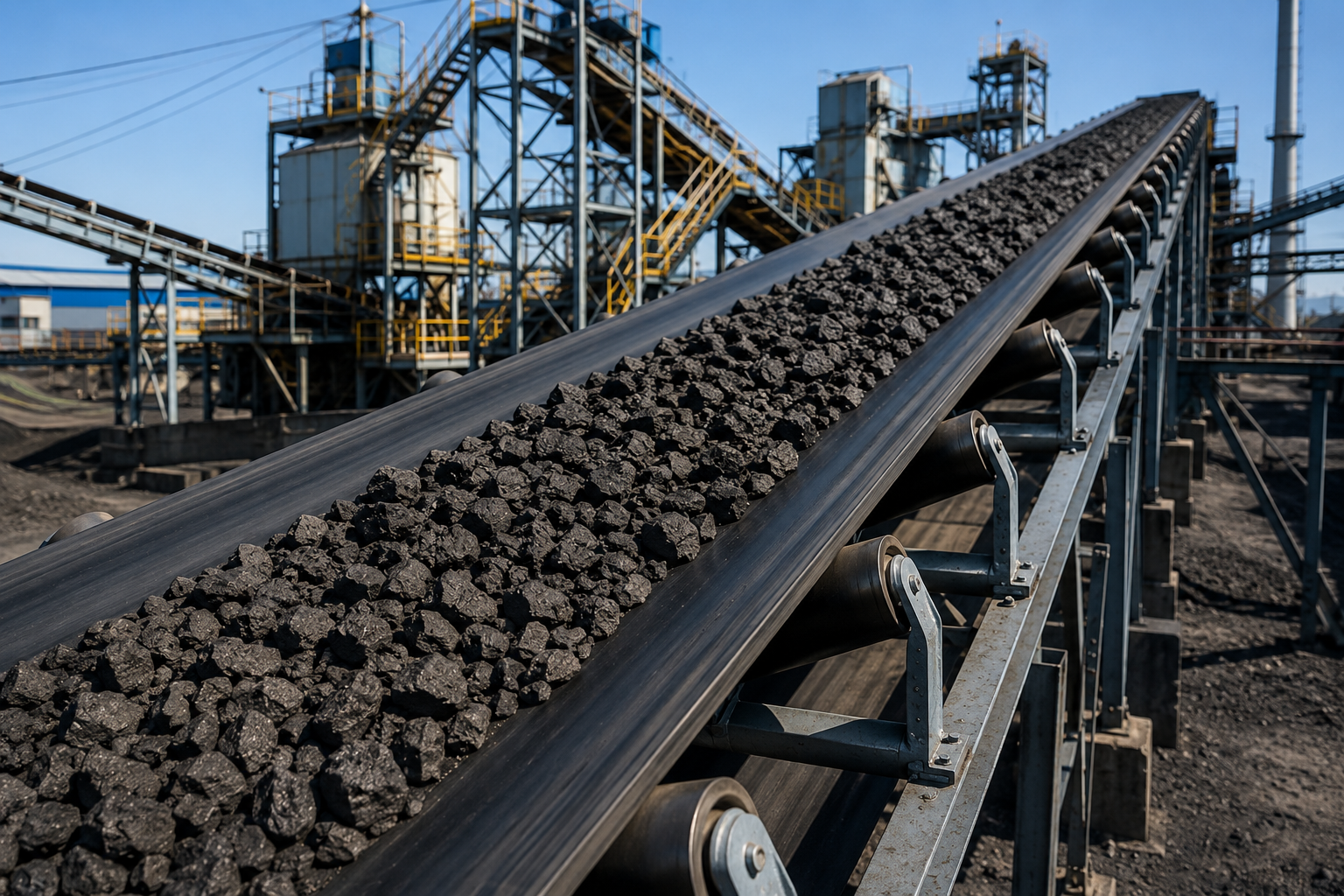
In modern industrial operations, efficient material handling plays a major role in maintaining productivity, reducing operational delays, and improving workplace safety. Industries such as mining, cement, food processing, logistics, packaging, warehousing, and manufacturing rely heavily on conveyor systems to transport materials quickly and efficiently. Among the various conveyor solutions available today, rubber belt conveyor design stands out as one of the most reliable and versatile systems for smooth bulk material handling.
A well-planned rubber belt conveyor design helps industries move heavy and lightweight materials over short and long distances while minimizing product loss and operational downtime. Businesses across multiple sectors are increasingly investing in advanced conveyor systems to improve workflow automation and reduce manual handling challenges.
As industrial automation continues to evolve, choosing the right conveyor system and the right rubber belt conveyor manufacturer becomes essential for long-term operational success.
Understanding Rubber Belt Conveyor Systems
A rubber belt conveyor is a material handling system that uses a continuous rubber belt driven by pulleys and motors to transport products or bulk materials from one location to another. These conveyor systems are designed for smooth, continuous, and safe transportation across industrial facilities.
The efficiency of a conveyor system largely depends on the overall rubber belt conveyor design. Factors such as belt width, speed, load capacity, inclination angle, drive mechanisms, and material type all influence the system’s performance.
Industries prefer rubber belt conveyors because they offer:
- Continuous material movement
- Reduced manual labor
- Faster production processes
- Improved workplace safety
- Lower operational costs
- Minimal product damage
Modern conveyor systems are also designed to support automation, making them highly suitable for high-volume industries.
Importance of Rubber Belt Conveyor Design in Bulk Material Handling
Bulk material handling involves transporting large quantities of materials such as grains, coal, cement, sand, chemicals, food products, minerals, and industrial goods. Without a properly engineered conveyor system, industries may face challenges like spillage, downtime, uneven movement, and increased maintenance costs.
A high-quality rubber belt conveyor design ensures smooth material flow throughout the production and transportation process. It allows industries to maintain operational efficiency while reducing risks associated with manual material handling.
Key benefits of proper conveyor design include:
Smooth Material Transportation
A well-designed conveyor system ensures consistent and uninterrupted material movement. This improves production efficiency and reduces delays caused by manual handling.
Enhanced Workplace Safety
Industrial environments often involve heavy loads and hazardous materials. Proper rubber belt conveyor design minimizes employee exposure to dangerous lifting tasks and moving equipment.
Reduced Material Spillage
Advanced conveyor systems are designed to reduce product loss during transportation. This is particularly important in industries handling expensive raw materials or food-grade products.
Lower Maintenance Costs
Efficient conveyor systems require less maintenance when designed correctly. High-quality components and proper alignment reduce wear and tear on belts, rollers, and motors.
Increased Productivity
Automation and continuous material flow help industries achieve higher production targets within shorter timeframes.
Key Components of Rubber Belt Conveyor Design
Every conveyor system contains several important components that contribute to smooth and safe operation.
Conveyor Belt
The rubber belt is the primary moving surface responsible for carrying materials. The choice of belt material depends on the type of products being transported.
Rollers and Idlers
Rollers support the belt and ensure smooth movement throughout the conveyor system. Proper roller placement improves load distribution and reduces friction.
Drive Unit
The drive system powers the conveyor and controls the belt speed. Efficient motors improve energy savings and system reliability.
Pulleys
Pulleys help guide and tension the conveyor belt. Proper pulley alignment is essential for preventing belt misalignment and wear.
Conveyor Frame
The structural frame provides support and stability to the entire conveyor system. Durable materials increase the lifespan of the conveyor.
A reliable rubber belt conveyor manufacturer carefully designs each component to ensure optimal performance under different industrial conditions.
Applications of Rubber Belt Conveyor Systems
One of the biggest advantages of modern rubber belt conveyor design is its adaptability across various industries.
Manufacturing Industries
Manufacturing facilities use conveyor systems for transporting raw materials, semi-finished products, and finished goods between production stages.
Warehousing and Logistics
Conveyor systems improve inventory movement and order fulfillment in warehouses and distribution centers.
Mining and Cement Industries
Heavy-duty conveyor systems are widely used for transporting minerals, aggregates, coal, and cement materials over long distances.
Food Processing Industries
Food-grade rubber belt conveyors help maintain hygiene standards while transporting packaged and unpackaged food items.
Packaging Industries
Automated conveyor systems improve packaging speed and reduce manual labor requirements.
Choosing the Right Rubber Belt Conveyor Manufacturer
The performance of a conveyor system depends not only on its design but also on the expertise of the manufacturer. Choosing an experienced rubber belt conveyor manufacturer ensures businesses receive high-quality systems tailored to their operational requirements.
An experienced manufacturer provides:
- Customized conveyor solutions
- Quality engineering support
- Durable conveyor components
- Installation and maintenance services
- Automation integration support
- Technical assistance for future upgrades
Industries should always select manufacturers with a strong reputation for delivering reliable and efficient conveyor systems.
Advanced Conveyor Solutions for Different Industrial Needs
Modern industries often require specialized conveyor systems for unique applications. Companies offering advanced conveyor technologies help businesses improve operational flexibility and productivity.
Rubber Belt Conveyor Systems
Reliable conveyor systems such as those offered by Tech Trek Engineering Rubber Belt Conveyor Solutions are designed for efficient bulk material handling across multiple industries. These systems support continuous operation while ensuring safe product transportation.
Wire Mesh Belt Conveyor Systems
Industries dealing with heating, cooling, drying, or food processing applications often require specialized conveyor systems. Wire Mesh Belt Conveyor Solutions are ideal for applications that require airflow, drainage, or temperature resistance during material movement.
Wire mesh conveyors are commonly used in:
- Food processing plants
- Baking industries
- Metal treatment operations
- Cooling and drying systems
Aluminium Conveyor Systems
Lightweight and corrosion-resistant conveyor systems are becoming increasingly popular in modern manufacturing facilities. Aluminium Conveyor Systems provide flexibility, durability, and easy integration into automated production lines.
Advantages include:
- Lightweight structure
- Easy maintenance
- Corrosion resistance
- Flexible installation options
Modular Belt Conveyor Systems
Industries requiring flexible layouts and easy cleaning solutions benefit from modular conveyor systems. Modular Belt Conveyor Solutions are designed for smooth product handling with customizable configurations for different operational needs.
Modular conveyors are widely used in:
- FMCG industries
- Food packaging plants
- Pharmaceutical manufacturing
- Bottling industries
Safety Considerations in Rubber Belt Conveyor Design
Safety is one of the most critical aspects of conveyor system engineering. A poorly designed conveyor can increase workplace accidents, equipment failures, and production interruptions.
Modern rubber belt conveyor design focuses heavily on safety features such as:
Emergency Stop Systems
Emergency stop controls allow operators to immediately shut down conveyor operations during emergencies.
Belt Alignment Systems
Automatic belt tracking systems prevent belt deviation and reduce equipment damage.
Protective Guards
Safety guards protect workers from moving components such as pulleys and rollers.
Load Monitoring Systems
Load sensors help prevent conveyor overloading and reduce mechanical failures.
Fire and Heat Resistance
Specialized conveyor belts are available for industries operating in high-temperature environments.
An experienced rubber belt conveyor manufacturer ensures that safety standards are incorporated into every stage of conveyor system design and installation.
Future Trends in Conveyor System Technology
The future of conveyor systems is moving toward smart automation and energy-efficient operations. Industries are increasingly adopting advanced technologies to improve operational efficiency and reduce environmental impact.
Emerging trends include:
- Smart conveyor monitoring systems
- IoT-enabled predictive maintenance
- Energy-efficient motors
- Automated sorting systems
- AI-driven production management
- Eco-friendly conveyor materials
Modern rubber belt conveyor design is evolving to support Industry 4.0 automation requirements while helping businesses achieve higher productivity levels.
Conclusion
Efficient material handling is essential for modern industries aiming to improve productivity, safety, and operational performance. A properly engineered rubber belt conveyor design provides smooth, safe, and continuous transportation of bulk materials across various industrial applications.
From manufacturing and logistics to food processing and mining, conveyor systems have become an integral part of industrial automation. Choosing a reliable rubber belt conveyor manufacturer ensures businesses receive customized solutions designed for long-term efficiency and durability.
Companies like Tech Trek Engineering offer advanced conveyor technologies tailored to modern industrial requirements. Whether businesses need rubber belt conveyors, wire mesh systems, aluminium conveyors, or modular belt conveyors, investing in the right conveyor solution can significantly improve workflow efficiency and overall operational success.
Frequently Asked Questions
What is rubber belt conveyor design?
Rubber belt conveyor design refers to the engineering and planning process involved in creating conveyor systems that transport materials safely and efficiently using rubber belts.
Why is rubber belt conveyor design important?
Proper conveyor design improves material flow, reduces operational downtime, enhances workplace safety, and minimizes product damage during transportation.
Which industries use rubber belt conveyor systems?
Industries such as manufacturing, mining, cement, logistics, warehousing, food processing, packaging, and FMCG commonly use rubber belt conveyor systems.
How do I choose the right rubber belt conveyor manufacturer?
Businesses should choose manufacturers with industry experience, customized engineering capabilities, quality products, technical support, and reliable after-sales service.
What are the advantages of modular belt conveyors?
Modular belt conveyors offer flexibility, easy cleaning, customizable layouts, and efficient product handling for industries requiring adaptable conveyor solutions.
Are aluminium conveyor systems suitable for automated production lines?
Yes, aluminium conveyor systems are lightweight, durable, corrosion-resistant, and highly suitable for automated manufacturing and assembly operations.
What is the role of wire mesh belt conveyors in industrial applications?
Wire mesh belt conveyors are used in industries requiring airflow, heating, cooling, drying, or drainage during product transportation.
How can conveyor systems improve workplace safety?
Modern conveyor systems reduce manual lifting, include emergency stop features, minimize material spillage, and protect workers from hazardous handling processes.