
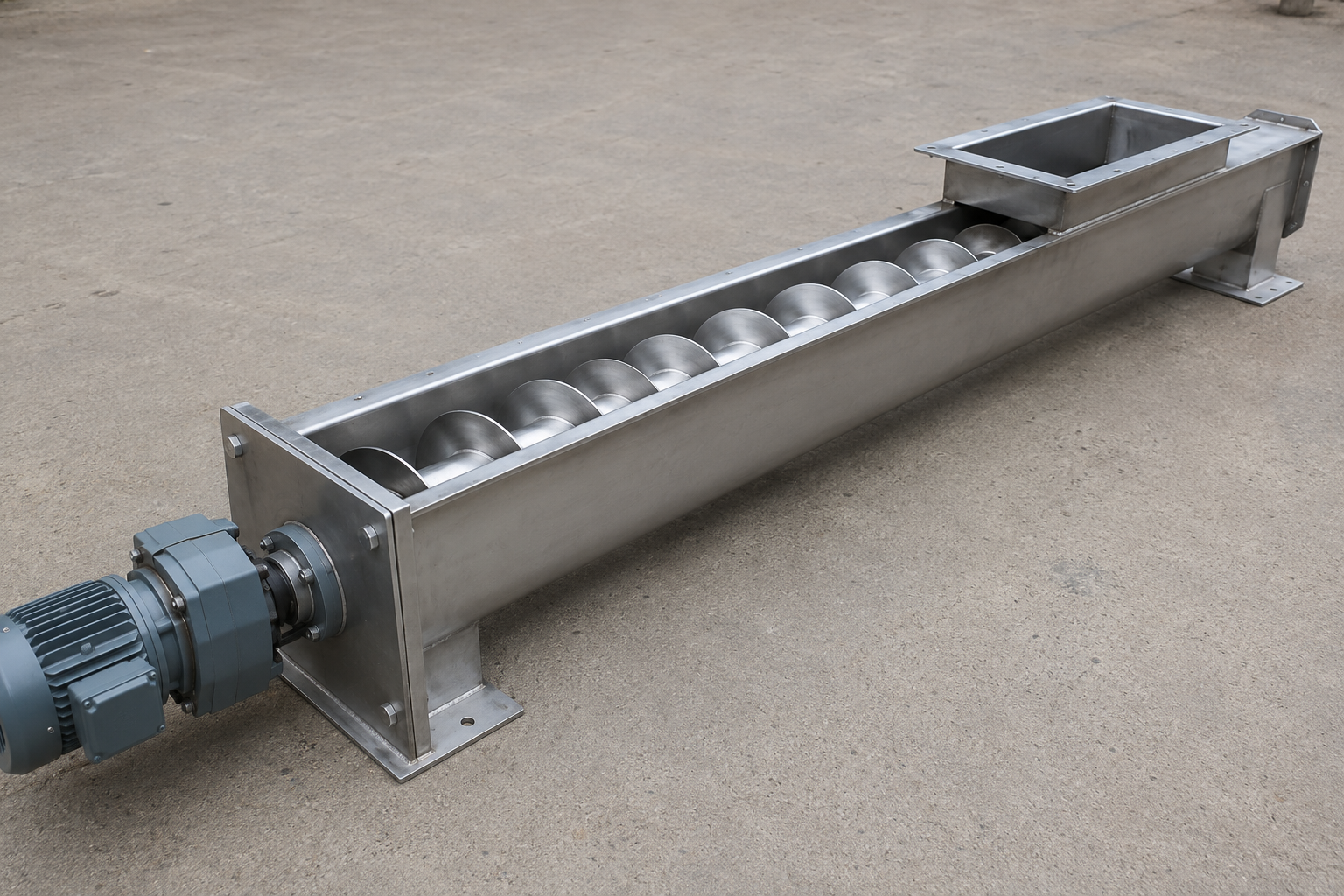
A well-planned spiral roller conveyor design has become an essential solution for industries looking to reduce material handling costs while improving productivity. Warehouses, manufacturing plants, distribution centers, and logistics facilities constantly seek ways to transport products more efficiently without increasing labor expenses or expanding operational space. A spiral roller conveyor addresses these challenges by providing a compact, continuous, and automated method of moving materials between different levels.
As businesses continue to embrace automation and lean manufacturing practices, investing in the right conveyor system can significantly improve operational performance. A spiral roller conveyor not only streamlines product movement but also helps organizations lower long-term operating costs.
Understanding Spiral Roller Conveyor Design
A spiral roller conveyor design is specifically engineered to transport products vertically while occupying minimal floor space. Instead of using long inclined conveyors or multiple transfer points, the conveyor follows a spiral path that allows materials to move smoothly between different elevations.
This innovative design makes it an excellent choice for facilities where maximizing floor space is just as important as increasing operational efficiency.
Spiral roller conveyors are commonly used in:
- Warehouses
- Distribution centers
- Food processing plants
- Packaging facilities
- Pharmaceutical industries
- Manufacturing units
- E-commerce fulfillment centers
Their versatility makes them suitable for handling cartons, boxes, containers, packaged goods, and numerous other products.
Lowering Labor Costs Through Automation
Manual transportation between multiple floors or production levels often requires additional workers and handling equipment. These repetitive tasks consume valuable time and increase labor expenses.
A properly designed spiral roller conveyor design automates vertical product movement, allowing materials to travel continuously without constant employee involvement.
The benefits include:
- Reduced dependence on manual labor
- Lower workforce requirements
- Increased employee productivity
- Reduced handling errors
- Consistent product flow
Employees can focus on higher-value tasks such as quality control, inventory management, and equipment supervision rather than transporting materials.
Maximizing Warehouse Space
Floor space is one of the most valuable resources in any warehouse or manufacturing facility. Traditional inclined conveyors require long installation areas that reduce available storage and production space.
A spiral roller conveyor solves this problem by utilizing vertical space instead of expanding horizontally.
Advantages include:
- More storage capacity
- Better warehouse organization
- Improved workflow planning
- Reduced floor congestion
- Greater operational flexibility
Businesses can increase productivity without investing in costly facility expansions.
Improving Material Flow
Efficient material flow directly impacts production speed and customer satisfaction. Delays caused by manual handling or inefficient transportation systems often create bottlenecks throughout the operation.
A spiral roller conveyor design provides continuous movement between production stages, storage areas, and shipping departments.
Improved product flow leads to:
- Faster order fulfillment
- Better production scheduling
- Reduced waiting times
- Higher operational efficiency
Continuous transportation ensures that every department receives products exactly when needed.
Reducing Product Damage
Manual handling increases the possibility of dropped products, damaged packaging, and handling errors.
A spiral roller conveyor transports products along a controlled pathway using rollers that minimize unnecessary contact and sudden impacts.
Reduced product damage offers several financial advantages:
- Lower replacement costs
- Reduced product waste
- Improved customer satisfaction
- Better inventory accuracy
These savings contribute significantly to lowering overall material handling expenses.
Supporting Continuous Operations
Many industries operate around the clock and require uninterrupted product movement.
A reliable spiral roller conveyor design supports continuous production by maintaining a steady flow of materials throughout the facility.
Unlike manual transportation, conveyor systems do not experience fatigue or inconsistent performance. This reliability allows businesses to meet demanding production schedules with greater confidence.
Improving Workplace Safety
Material handling often involves repetitive lifting, carrying, and transporting heavy products. These activities increase the risk of employee injuries and workplace accidents.
Installing a spiral roller conveyor reduces physical strain by automating vertical transportation.
Safety improvements include:
- Reduced manual lifting
- Fewer workplace injuries
- Improved employee comfort
- Better traffic flow within facilities
- Lower accident-related costs
A safer workplace also contributes to higher employee morale and productivity.
Increasing Operational Efficiency
Efficiency is one of the biggest factors affecting industrial profitability.
A spiral roller conveyor design helps eliminate unnecessary transportation steps while improving coordination between production areas.
Operational improvements include:
- Faster processing times
- Better inventory movement
- Improved production consistency
- Reduced idle time
- Greater equipment utilization
These benefits enable businesses to handle larger production volumes without significantly increasing operating expenses.
Long-Term Cost Savings
Although conveyor systems require an initial investment, they generate substantial long-term savings.
Businesses often experience reduced costs through:
- Lower labor expenses
- Improved productivity
- Reduced maintenance requirements
- Better space utilization
- Fewer product losses
- Lower injury-related expenses
Over time, these operational improvements produce a strong return on investment.
Flexible Integration with Modern Facilities
Modern production environments require equipment capable of adapting to changing workflows.
A spiral roller conveyor can be integrated into existing warehouse layouts, automated production lines, packaging systems, and distribution operations without requiring major structural modifications.
This flexibility makes it an excellent solution for businesses planning future expansion or automation projects.
Selecting the Right Conveyor Solution
Every industrial facility has unique material handling requirements.
When selecting a conveyor, businesses should consider:
- Product size and weight
- Throughput capacity
- Available installation space
- Conveyor height requirements
- Future production growth
- Maintenance accessibility
Choosing the appropriate spiral roller conveyor design ensures maximum efficiency and long-term operational reliability.
Businesses looking for professionally engineered conveyor solutions can explore:
These conveyor systems are designed to improve vertical material transportation while helping industries reduce operational costs and increase productivity.
The Future of Spiral Conveyor Technology
As automation continues to evolve, spiral conveyor technology is becoming more intelligent and efficient.
Future innovations may include:
- Smart monitoring systems
- Predictive maintenance capabilities
- Energy-efficient drive systems
- Improved roller durability
- Integration with warehouse management software
These advancements will further improve productivity while reducing operating expenses.
Conclusion
A well-designed spiral roller conveyor design provides an effective solution for businesses seeking to reduce material handling costs while improving operational efficiency. By automating vertical transportation, optimizing warehouse space, minimizing labor requirements, and reducing product damage, spiral roller conveyors deliver measurable long-term value.
As industries continue to modernize their operations, investing in a reliable spiral roller conveyor helps create faster, safer, and more cost-effective material handling processes. Whether for warehousing, manufacturing, packaging, or logistics, this conveyor solution supports sustainable business growth and improved operational performance.
Frequently Asked Questions
What is a spiral roller conveyor?
A spiral roller conveyor is a material handling system designed to transport products vertically while occupying minimal floor space through a spiral configuration.
What are the benefits of a spiral roller conveyor design?
A spiral roller conveyor design improves space utilization, reduces labor costs, supports continuous product flow, enhances workplace safety, and increases operational efficiency.
Which industries commonly use spiral roller conveyors?
Warehousing, logistics, manufacturing, food processing, pharmaceuticals, packaging, and e-commerce fulfillment centers frequently use spiral roller conveyors.
How does a spiral roller conveyor reduce material handling costs?
It automates vertical product movement, minimizes manual labor, reduces product damage, improves workflow efficiency, and optimizes warehouse space.
Can spiral roller conveyors be integrated into existing facilities?
Yes. They are designed to integrate with existing production lines, warehouses, and automated material handling systems.
Are spiral roller conveyors suitable for continuous operations?
Yes. They are engineered for reliable, continuous product transportation in high-volume industrial environments.
How do businesses choose the right spiral roller conveyor?
Businesses should evaluate product characteristics, production volume, available space, conveyor height, and long-term operational requirements before selecting the appropriate system.