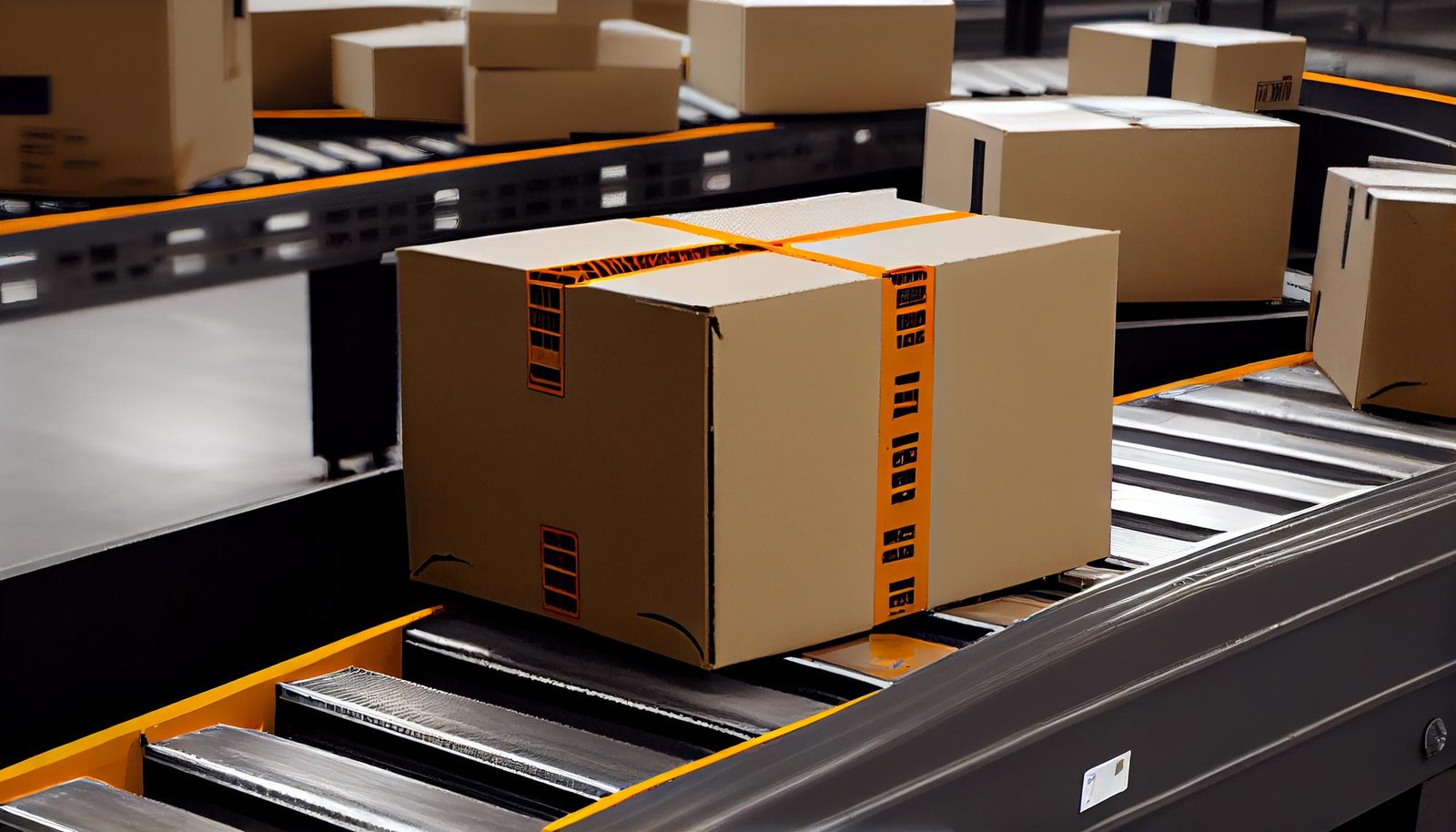
packing conveyor systems play an important role in modern packaging operations by helping products move smoothly through inspection, weighing, packing, sealing, labelling, and dispatch stages. However, not every packaging line has the same layout, product type, production volume, or operating requirements. This is why customization matters when selecting a packing conveyor. A properly customized system can fit the available workspace, match product handling needs, support operators, and integrate with other equipment.
Why Standard Conveyor Designs May Not Be Enough
Packaging facilities handle a wide range of products, including cartons, boxes, bottles, pouches, packaged food, cosmetics, pharmaceutical products, and electrical components. These products can vary significantly in size, weight, shape, and handling requirements.
A standard conveyor may not always provide the right belt width, working height, speed, or configuration for a particular packing line. Installing a conveyor that does not match the process can create unnecessary adjustments and may make product handling less convenient.
Customization allows the conveyor to be designed around the actual requirements of the operation rather than forcing the production process to adapt to a fixed conveyor design.
Matching the Conveyor to the Packing Line Layout
Available floor space is one of the most important factors when designing a packaging line. Different facilities may have different layouts, equipment positions, workstations, storage areas, and dispatch points.
A customized packing conveyor can be manufactured according to the available floor space and required conveyor length. Tech Trek Engineering specifies packing conveyor lengths according to the packing line layout, with belt widths available from 300 mm to 1500 mm.
This flexibility can help businesses create a more organized workflow while making better use of available space.
Adjustable Working Height for Better Ergonomics
Operator comfort is another reason customization matters. Packaging operations often involve employees performing repetitive tasks such as inspection, product placement, labelling, packing, or quality checking.
If a conveyor is too high or too low, operators may need to work in uncomfortable positions. A customized system can include an appropriate working height based on the process and workstation requirements.
Tech Trek Engineering provides adjustable working height as one of its packing conveyor customization options.
An ergonomically designed conveyor can make packing stations more practical and support a more comfortable working environment.
Selecting the Right Conveyor Speed
Different packaging processes require different operating speeds. A fast-moving conveyor may not be suitable for a process involving manual inspection or detailed packing, while a slow conveyor may limit productivity in a high-volume automated line.
Variable speed control allows the conveyor speed to be adjusted according to the requirements of the packing operation. Tech Trek’s packing conveyors can use VFD-based variable speed control and can also be configured with PLC-based automation.
This allows businesses to coordinate product movement with manual operators, packing machines, sealing equipment, and labelling systems.
Choosing the Appropriate Belt Material
The belt itself should also be selected according to the products and operating environment. Different packaging applications can require different levels of cleanliness, resistance, durability, or static control.
Tech Trek Engineering lists several belt options, including PVC flat belts, PU flat belts, anti-static belts, oil-resistant belts, and wear-resistant belts. Food-grade PU belts can also be used for suitable food packaging applications.
Selecting the right belt material can help ensure that the conveyor is suitable for the products being handled and the conditions in which it operates.
Integrating Workstations and Accessories
A packing line is rarely just a conveyor belt. Operators may need worktables, inspection areas, lighting, electrical connections, side guides, rails, and other accessories.
Customization makes it possible to combine these features into a more complete packing workstation. Side guides can help maintain product positioning, while dedicated workstations can provide operators with an appropriate area for packing or inspection.
Tech Trek provides options including packing tables, workstations, lighting, electrical accessories, side guides, and rails.
Supporting Automated Packaging Operations
Modern packaging facilities increasingly combine conveyors with automated equipment. A conveyor may need to connect with weighing systems, sealing machines, labelling equipment, strapping systems, sensors, or other automation equipment.
A customized conveyor can be designed around these integration requirements. Tech Trek’s packing conveyor solutions can be integrated with strapping, sealing, and labelling machines, along with automation and sensor systems.
This can help create a more coordinated product flow between different stages of the packaging process.
Matching Load Capacity to Products
Product weight is another important consideration. A conveyor designed for lightweight packages may not be appropriate for heavier products or larger cartons.
Tech Trek specifies packing conveyor load capacity according to product weight.
Selecting the appropriate capacity helps ensure that the conveyor configuration is aligned with the products being transported and the expected production requirements.
Choosing the Right Conveyor Supplier
Customization depends heavily on the supplier’s ability to understand the application and develop equipment around specific requirements. When comparing Conveyor system suppliers in India, businesses should consider more than the basic price of the equipment.
Important factors include engineering capabilities, customization options, conveyor construction, control systems, belt selection, integration capabilities, technical support, and the supplier’s experience with different applications.
A supplier that can customize the conveyor according to the production process can help businesses avoid unnecessary modifications after installation.
Why Choose Tech Trek Engineering?
Tech Trek Engineering manufactures packing conveyor systems designed around individual packing processes, product types, and floor layouts. Its current specifications include customizable belt width, conveyor length, speed, load capacity, structure material, drive system, power supply, and control system.
The company also provides different packing conveyor configurations, including manual, semi-automatic, automatic, workstation-based, inspection-table, and roller or gravity discharge arrangements.
For more information about its packing conveyor solutions, visit:
https://techtrekconveyor.com/products/packing-belt-conveyor
For information about Tech Trek Engineering’s wider range of conveyor and material handling solutions, visit:
Conclusion
Customization is an important consideration when selecting a packing conveyor because every packaging operation has different requirements. Product dimensions, weight, belt material, conveyor speed, working height, floor layout, production volume, and automation requirements can all influence the final conveyor design.
A customized conveyor can help businesses create a better-organized packing line while supporting smooth product movement and integration with other equipment. By working with an experienced supplier and selecting features based on actual operational needs, businesses can develop a packing system that is practical, scalable, and suitable for their production environment.
For companies evaluating Conveyor system suppliers in India, customization capabilities should be an important part of the selection process.
Frequently Asked Questions
1. What is a packing conveyor?
A packing conveyor is a material handling system designed to move products through different packaging stages, including inspection, weighing, packing, sealing, labelling, and dispatch.
2. Why should a packing conveyor be customized?
Customization allows the conveyor to match the product type, packing line layout, required speed, load capacity, working height, and available space.
3. Can packing conveyor speed be adjusted?
Yes. Packing conveyors can be equipped with variable speed control using VFD systems. PLC-based controls can also be used for suitable automated applications.
4. Can a packing conveyor be integrated with packaging machines?
Yes. Customized packing conveyors can be integrated with equipment such as sealing, labelling, weighing, and strapping machines. Automation and sensor integration are also possible.
5. What belt options are available for packing conveyors?
Depending on the application, belt options can include PVC, PU, anti-static, oil-resistant, and wear-resistant belts. Food-grade PU belts are also available for suitable food packaging applications.
6. Can the working height of this conveyor be customized?
Yes. Adjustable working height is one of the customization options available for packing conveyor systems, helping the equipment suit different workstation and operator requirements.
7. How do I choose the right packing conveyor supplier?
Consider the supplier’s customization capabilities, engineering experience, belt and conveyor options, automation integration, load capacity, technical support, and ability to design the system around your actual packing process.