
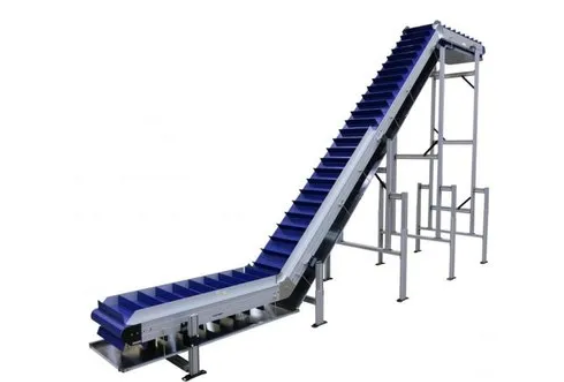
Z belt conveyor systems are increasingly valuable in modern industrial automation because they help businesses move materials efficiently between different levels while maintaining a continuous production flow. Manufacturing plants, packaging facilities, warehouses, food processing units, and distribution centers often need to transfer products across multiple elevations within limited floor space.
A properly designed Z-shaped conveyor provides a structured material handling route that can connect different machines, workstations, and processing stages. This makes it a practical solution for businesses looking to improve automation and reduce unnecessary manual handling.
Supporting Multi-Level Material Movement
Modern industrial facilities frequently use equipment positioned at different heights. Products may need to move from a lower-level production machine to an elevated processing station or from an upper level toward packaging and dispatch areas.
A Z belt conveyor is designed to handle this type of movement through a combination of horizontal and inclined sections. This configuration allows products to travel between different elevations while following a continuous route.
By automating multi-level transportation, businesses can reduce the need for employees to manually lift and carry materials between work areas.
Improving Production Line Automation
Industrial automation depends on smooth coordination between different machines and processes. If products need to be manually transferred between stages, the production line may experience delays.
A Z-shaped conveyor can connect equipment and create a continuous material flow. Products can move from one process to another with reduced manual intervention, helping businesses build a more integrated production system.
This can be particularly useful when automation equipment is arranged across multiple levels or when available floor space is limited.
Optimizing Available Floor Space
Floor space is a valuable resource in manufacturing and warehousing facilities. Businesses need room for machinery, storage, employee workstations, and transportation routes.
A Z belt conveyor makes effective use of vertical space by moving products upward or downward through an inclined section. This can reduce the need for long horizontal conveyor routes and help create a more compact facility layout.
Better space utilization can support future expansion and allow businesses to organize production areas more efficiently.
Reducing Repetitive Manual Handling
Manual transportation between different levels can require significant time and effort. Employees may need to repeatedly carry cartons, components, packages, or other products between workstations.
A conveyor automates much of this movement. Products can travel along a planned route, allowing employees to focus on tasks such as quality inspection, equipment monitoring, packaging, and production management.
Reducing repetitive material handling can improve workforce utilization and contribute to a more efficient workflow.
Supporting Continuous Product Flow
Consistent product movement is essential for automated operations. Delays at one stage can create bottlenecks that affect downstream processes.
A Z belt conveyor can help maintain a steady flow of products between connected stages. When the system is properly configured according to production capacity and operating speed, it can provide reliable transportation throughout the work cycle.
This can help businesses coordinate production activities and reduce unnecessary waiting time.
Suitable for Different Industries
Z belt conveyors can support a variety of industrial applications, including:
- Manufacturing
- Packaging
- Warehousing
- Logistics
- Food processing
- Distribution
- E-commerce operations
- Industrial processing
The conveyor design should be selected according to product characteristics, required capacity, conveying distance, incline angle, operating speed, and facility layout.
Supporting Integration With Automated Equipment
Modern automation systems often include several connected machines. Products may pass through filling, assembly, inspection, processing, packaging, or sorting equipment.
A Z conveyor can act as a connection between these different stages. By providing controlled product transportation, it helps reduce the need for manual transfers and supports a more coordinated automated workflow.
Businesses can explore Tech Trek Engineering’s Z Type Belt Conveyor for material handling applications that require efficient movement between different elevations.
Improving Long-Term Operational Efficiency
Investing in conveyor automation can provide benefits beyond faster product transportation. A structured conveying route can help businesses improve workflow organization, reduce unnecessary movement, and make better use of available labour.
As production volumes increase, a properly selected conveyor can also support higher material handling demands and future automation requirements.
Businesses should evaluate their current needs and potential future growth when planning a conveyor installation.
Importance of Proper System Selection
The performance of a Z-shaped conveyor depends on selecting the right specifications. Important considerations include:
- Product size and weight
- Required conveying capacity
- Belt type
- Conveyor speed
- Vertical height
- Available floor space
- Loading and discharge points
- Operating environment
A system designed around these requirements can provide smoother product movement and better integration with existing equipment.
Maintaining Reliable Performance
Regular maintenance helps ensure consistent conveyor operation. Businesses should inspect belts, rollers, bearings, drive components, and supporting structures at appropriate intervals.
Early identification of belt wear, alignment issues, or unusual operating conditions can help prevent unexpected interruptions. Preventive maintenance can support longer equipment service life and reliable automated operations.
Conclusion
Z belt conveyor systems are suitable for modern industrial automation because they provide an efficient way to move materials between different levels while supporting continuous product flow. Their ability to optimize vertical space, reduce repetitive manual handling, connect automated equipment, and improve workflow organization makes them valuable for many industrial applications.
By selecting the right configuration based on product characteristics, production capacity, and facility layout, businesses can build a more efficient material handling process. With proper installation and regular maintenance, a Z belt conveyor can provide dependable long-term support for automated manufacturing, packaging, warehousing, and distribution operations.
Frequently Asked Questions
1. What is a Z belt conveyor used for?
A Z belt conveyor is used to transport products between different elevations through a combination of horizontal and inclined conveyor sections.
2. How does a Z belt conveyor support industrial automation?
It connects machines and workstations, allowing products to move automatically between different production or processing stages with reduced manual handling.
3. Which industries can use a Z belt conveyor?
Z belt conveyors can be used in manufacturing, packaging, warehousing, logistics, food processing, distribution, and other industrial applications.
4. How does a Z belt conveyor save floor space?
Its inclined design uses vertical space to move products between levels, reducing the need for long horizontal transportation routes.
5. Can a Z belt conveyor be customized?
Yes. Conveyor specifications can be selected based on product dimensions, load capacity, conveying height, speed, belt type, and facility layout.
6. How can businesses maintain a Z belt conveyor?
Regular inspection of belts, rollers, bearings, drive systems, and supporting structures can help maintain reliable performance and reduce unexpected downtime.