
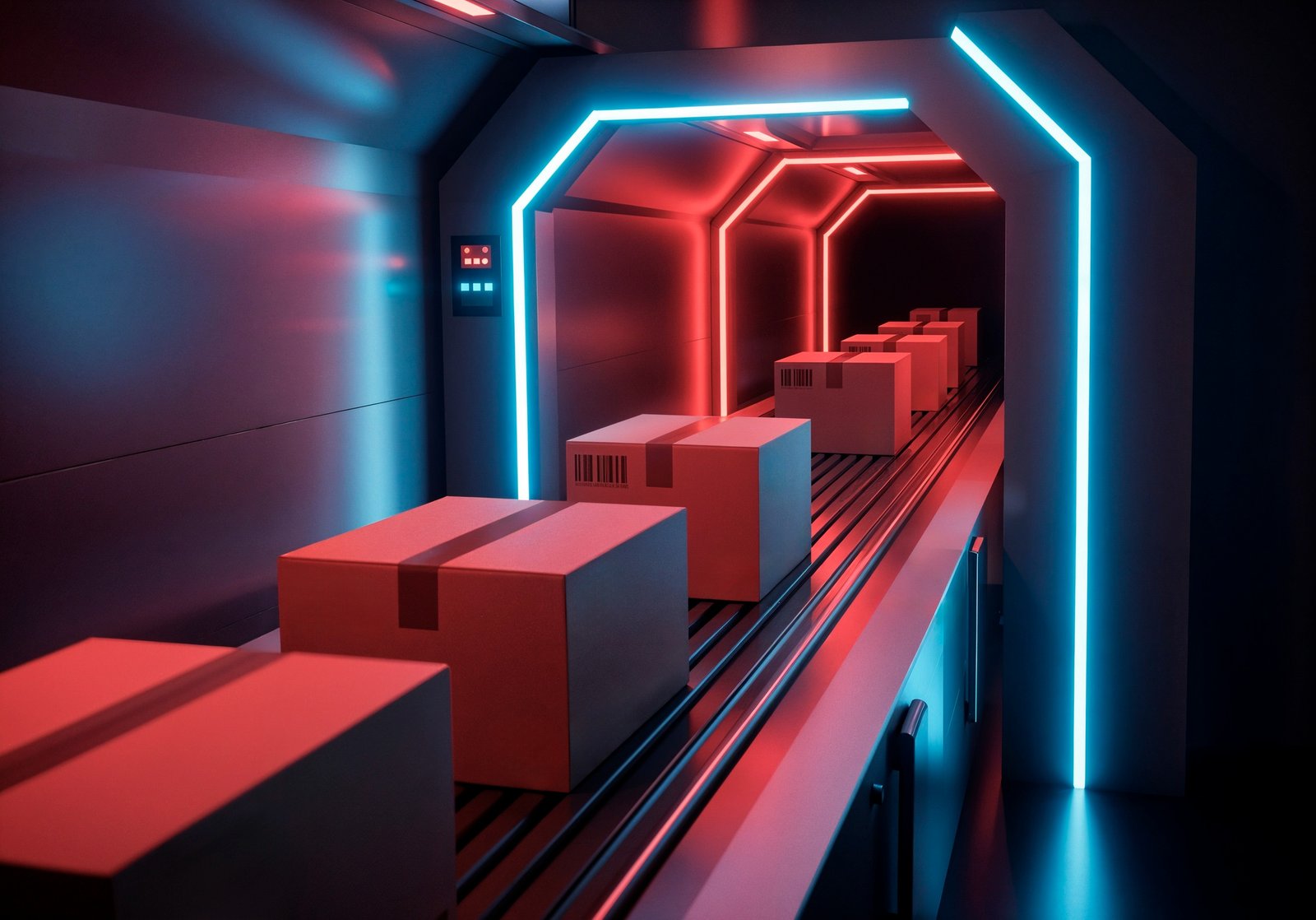
Conveyor system design is rapidly becoming the backbone of industrial automation in Punjab and Haryana. As these regions continue to grow as major industrial hubs in India, businesses are under constant pressure to improve productivity, reduce operational costs, and meet increasing demand. Traditional material handling methods are no longer sufficient to keep up with modern manufacturing and logistics needs.
This shift has led many industries to adopt smart conveyor solutions that streamline operations, minimize manual effort, and deliver consistent performance. From small manufacturing units to large-scale factories, the demand for advanced systems from reliable conveyor system companies is rising significantly.
Industrial Growth in Punjab & Haryana
Punjab and Haryana are known for their strong presence in industries such as:
- Agriculture and food processing
- Textile and garment manufacturing
- Automotive and engineering
- Warehousing and logistics
- FMCG and packaging
With increasing production demands and competitive markets, these industries require faster and more efficient material handling systems. This is where modern conveyor system design plays a crucial role.
Challenges Faced by Industries
Before adopting automation, many businesses in these regions struggled with:
- High labor dependency
- Slow production cycles
- Material handling inefficiencies
- Increased risk of product damage
- Workplace safety concerns
Manual processes not only slow down operations but also increase long-term costs. To overcome these challenges, industries are now investing in smart conveyor solutions.
What is Smart Conveyor System Design?
Conveyor system design refers to the planning, engineering, and implementation of conveyor systems tailored to specific industrial needs. Smart designs integrate automation, flexibility, and efficiency to ensure seamless material flow.
Modern conveyor systems are designed to:
- Handle different types of materials
- Optimize factory layouts
- Reduce downtime
- Improve operational speed
- Support scalability
Leading conveyor system companies provide customized solutions based on the unique requirements of each industry.
Why Industries Are Switching to Smart Conveyor Systems
Improved Efficiency and Productivity
One of the primary reasons industries are adopting advanced conveyor system design is to improve efficiency. Automated systems ensure continuous material flow, reducing delays and increasing output.
Businesses can handle higher volumes without increasing workforce, resulting in better productivity.
Cost Reduction
Automation significantly reduces labor costs and operational expenses. By minimizing manual handling, industries can save on workforce expenses and reduce material wastage.
Over time, investing in smart conveyor systems leads to a higher return on investment.
Enhanced Workplace Safety
Manual material handling often leads to workplace injuries. Smart conveyor systems reduce human involvement in heavy lifting and hazardous tasks.
This creates a safer working environment and improves overall employee well-being.
Scalability for Future Growth
As businesses expand, their operational needs increase. A well-planned conveyor system design allows easy scalability, enabling companies to upgrade or expand their systems without major disruptions.
Better Accuracy and Reduced Errors
Automated systems ensure precise material handling, reducing errors and improving product quality. This is especially important in industries like food processing and packaging.
Types of Conveyor Systems Used in Industries
Different industries require different types of conveyor systems based on their operations. Here are some commonly used systems:
Belt Conveyors
These are the most widely used conveyors for transporting materials over long distances. They are ideal for bulk material handling.
Roller Conveyors
Used in warehouses and logistics, roller conveyors are suitable for moving packaged goods efficiently.
Modular Belt Conveyors
These conveyors are flexible and can handle complex layouts, including curves and inclines.
Truck Loading Conveyors
Designed for efficient loading and unloading of goods, these systems improve logistics operations.
Troughed Belt Conveyors
Ideal for bulk materials like sand and coal, these conveyors prevent spillage and ensure smooth transport.
Bucket Elevators
Used for vertical material movement, bucket elevators are essential for industries handling bulk materials.
Each type of system plays a vital role in improving efficiency and productivity, depending on the industry’s requirements.
Role of Conveyor System Companies
The success of any automation project depends on choosing the right partner. Experienced conveyor system companies offer:
- Customized system design
- High-quality equipment
- Professional installation
- After-sales support
Working with a trusted provider ensures long-term reliability and performance.
Choosing the Best Conveyor Manufacturer in India
When it comes to implementing advanced conveyor system design, selecting the right manufacturer is critical. Businesses should look for:
- Industry experience
- Customization capabilities
- Quality standards
- Technical expertise
- Reliable support services
To explore advanced solutions from the best conveyor manufacturer in India, visit:
https://techtrekconveyor.com/
This platform offers a wide range of conveyor systems tailored to meet diverse industrial needs.
Real Impact on Punjab & Haryana Industries
Industries that have adopted smart conveyor systems are experiencing:
- Increased production speed
- Reduced operational costs
- Improved product quality
- Enhanced safety standards
- Better overall efficiency
This transformation is helping businesses stay competitive in a rapidly evolving market.
Future of Conveyor System Design in India
The future of conveyor system design lies in smart automation, integration with IoT, and data-driven optimization. Industries in Punjab and Haryana are already moving towards these advanced technologies.
As automation becomes more accessible, even small and medium enterprises are adopting conveyor systems to improve their operations.
Conclusion
The shift towards smart conveyor system design is no longer optional for industries in Punjab and Haryana—it is a necessity. With increasing competition and growing demand, businesses need efficient and reliable solutions to stay ahead.
By partnering with experienced conveyor system companies and investing in advanced systems, industries can achieve higher productivity, lower costs, and long-term growth.
Frequently Asked Questions (FAQs)
1. What is conveyor system design?
Conveyor system design involves planning and implementing systems that efficiently move materials within an industrial setup.
2. Why are industries in Punjab & Haryana adopting conveyor systems?
To improve efficiency, reduce labor costs, enhance safety, and increase production capacity.
3. What types of conveyor systems are commonly used?
Belt conveyors, roller conveyors, modular conveyors, bucket elevators, and truck loading conveyors are widely used.
4. How do conveyor system companies help industries?
They provide customized solutions, installation, and maintenance support for efficient material handling.
5. Is conveyor system design suitable for small businesses?
Yes, modern systems are scalable and can be customized to meet the needs of small and medium enterprises.