Best conveyor system supplier in India plays an important role in helping industries improve the way materials, products, and goods move through their facilities. Modern manufacturing plants, warehouses, logistics centers, and processing facilities require organized material handling to maintain productivity and reduce unnecessary manual movement. A properly designed conveyor system can create a continuous flow of materials while making operations more efficient and easier to manage.
The Role of Conveyor Systems in Modern Industries
Material handling involves much more than simply moving products from one location to another. Businesses need to transport raw materials, components, packages, finished products, and bulk materials between different stages of their operations.
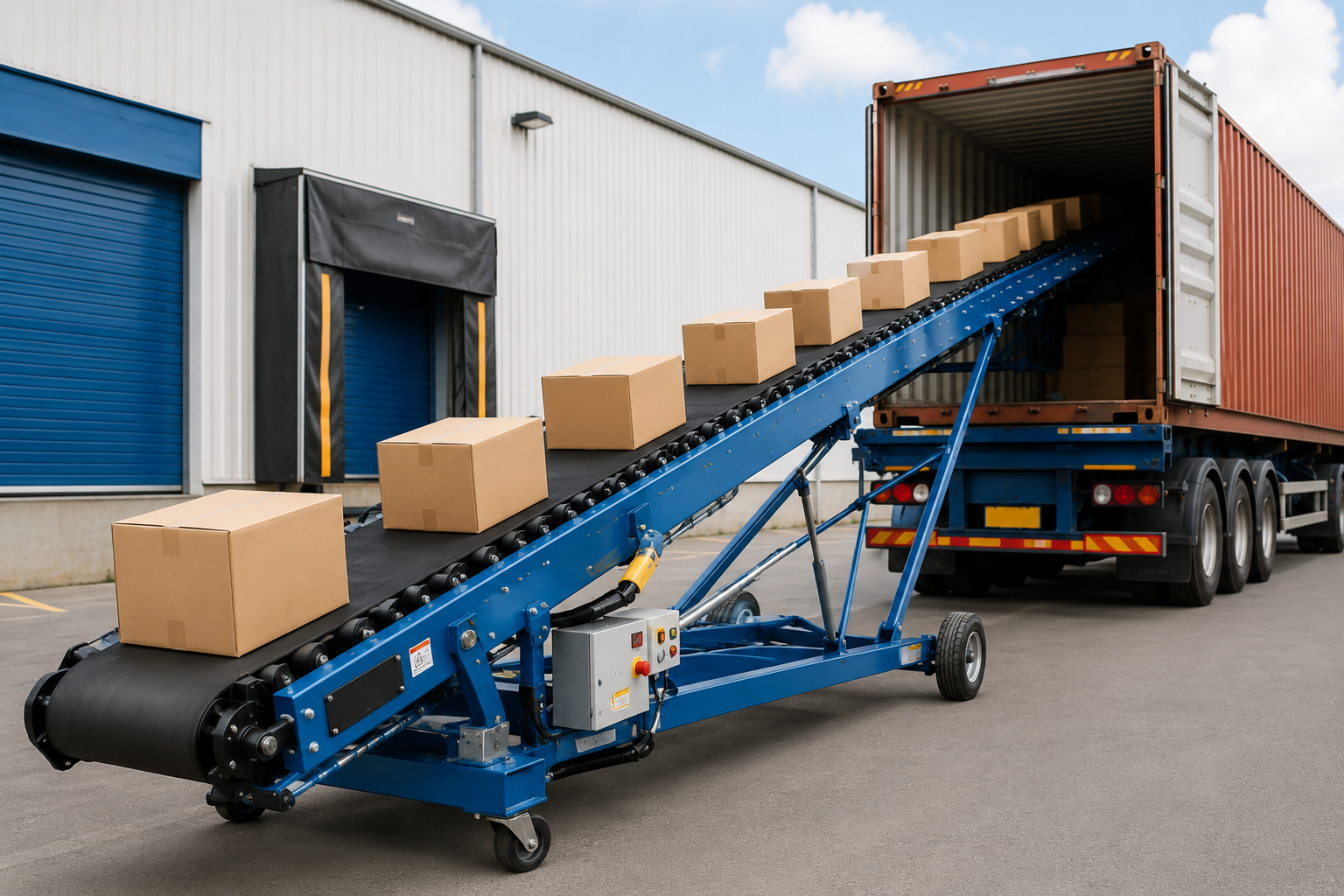
Conveyor systems provide a structured method of transportation within a facility. Depending on the application, businesses can use belt conveyors, roller conveyors, chain conveyors, screw conveyors, bucket conveyors, pneumatic conveyors, and other specialized systems.
A reliable supplier understands that each application has different requirements. Product weight, dimensions, material characteristics, required speed, available space, and production volume can all influence conveyor selection and design.
Supporting Efficient Material Flow
One of the major contributions of a conveyor system is creating a consistent flow of materials. Manual transportation can involve repeated lifting, carrying, pushing, and transferring. These activities can slow down operations, especially when materials need to move continuously throughout a production facility.
A well-designed conveyor can establish a defined route between different workstations, storage areas, processing equipment, packing stations, and dispatch points. This helps businesses organize their workflow and reduce unnecessary movement.
Tech Trek Engineering states that its conveyor solutions are developed around actual workflow, space limitations, load requirements, and production goals rather than using a one-size-fits-all approach.
Choosing the Right Conveyor for the Application
Different materials and operations require different types of conveying systems. A good supplier should first understand the application before recommending equipment.
For example, belt conveyors can support continuous movement across manufacturing and processing lines. Roller conveyors can be useful for cartons, pallets, and unit loads. Chain conveyors are suitable for heavy-duty material movement, while screw conveyors can transport bulk or powdered materials.
Bucket elevators can support vertical movement of bulk materials, while pneumatic conveyors can transport certain bulk materials through enclosed pipelines.
Selecting the appropriate conveyor type helps ensure that the system matches the operational requirements of the facility.
Customization for Different Facility Layouts
Every industrial facility has its own layout and operating conditions. Available floor space, ceiling height, production equipment, storage locations, and material flow routes can affect conveyor design.
This is why customization is an important consideration when evaluating Conveyor system suppliers in India. A supplier with customization capabilities can develop conveyor dimensions, configurations, speeds, structures, and controls according to the application.
Tech Trek Engineering highlights custom manufacturing based on specific layouts, loads, and processes as part of its conveyor engineering approach.
Customized systems can also be designed to integrate with existing equipment, helping businesses improve their material handling setup without completely redesigning their facility.
Improving Warehouse and Logistics Operations
Warehouses and distribution centers handle a large number of products every day. Moving cartons and packages between receiving, storage, picking, packing, sorting, and dispatch areas can become difficult when operations depend heavily on manual transportation.
Conveyor systems can provide dedicated routes for product movement and help connect different sections of a warehouse. Roller conveyors, belt conveyors, and other configurations can be incorporated into warehouse workflows based on product type and handling requirements.
Modern conveyor systems can also be integrated with sorting, packing, scanning, and other warehouse processes to support a more coordinated operation.
Supporting Industrial Automation
Conveyors are increasingly used as part of broader automation systems. They can connect machines and workstations while maintaining a controlled flow of materials.
Automation can include sensors, variable-speed drives, programmable controls, and other equipment depending on the application. These features can help businesses monitor and control product movement throughout different stages of an operation.
Tech Trek Engineering identifies system integration and factory automation among its areas of experience and provides conveyor solutions intended for integration into existing operations.
Reducing Manual Material Handling
Repetitive material transportation can consume considerable time and physical effort. A conveyor system can automate many routine movement tasks and allow employees to focus on activities such as quality inspection, machine operation, packaging, inventory management, and process monitoring.
Reducing unnecessary manual movement can also help create a more organized working environment. Materials can follow defined routes instead of being transported randomly between different areas.
The objective is not necessarily to remove manual work completely but to use automation where it can make repetitive material movement more consistent and efficient.
Supporting Multiple Industries
Modern conveyor systems can be adapted for a wide range of industries. Manufacturing and assembly facilities may use conveyors to move components and finished products between production stages. Packaging and sorting facilities can use conveyors to organize product movement.
Warehouses, distribution centers, logistics operations, FMCG businesses, automotive facilities, pharmaceutical companies, and engineering industries can also require different forms of material handling equipment. Tech Trek Engineering lists these sectors among the industries it serves.
This wide range of applications makes application-specific conveyor design particularly important.
What to Look for in a Conveyor Supplier
When choosing a conveyor supplier, businesses should evaluate several practical factors. These include engineering capabilities, product range, customization options, construction quality, application knowledge, installation guidance, and after-sales support.
It is also useful to understand whether the supplier can support the project from initial design through manufacturing and integration. A supplier that understands the complete material handling process can help businesses select equipment that fits their workflow.
Tech Trek Engineering describes its approach as covering the process from concept and manufacturing through delivery and support, with emphasis on practical engineering and integration.
Why Tech Trek Engineering?
Tech Trek Engineering provides industrial conveyor and material handling solutions for factories, warehouses, and logistics operations. Its product range includes belt, roller, chain, bucket, screw, and pneumatic conveyor systems, along with customized solutions.
The company states that it has more than 16 years of experience in conveyor systems, manufacturing, system integration, and factory automation. Its approach focuses on application requirements, customized manufacturing, quality-driven fabrication, and support beyond delivery.
Businesses looking for conveyor solutions can learn more about Tech Trek Engineering at:
Conclusion
Modern material handling requires more than simply transporting products between two points. Businesses need systems that fit their workflow, available space, material characteristics, production requirements, and future operational needs.
A Best conveyor system supplier in India can support this process by providing application-focused equipment, customization, engineering guidance, and integration capabilities. From manufacturing and packaging to warehousing and logistics, the right conveyor solution can help create smoother material flow and reduce repetitive handling.
For businesses evaluating Conveyor system suppliers in India, understanding the supplier’s engineering approach, product range, customization capabilities, and support services can help them develop a material handling system suited to their operational requirements.
Frequently Asked Questions
1. What does a conveyor system supplier provide?
A conveyor system supplier can provide conveyor equipment, customized designs, engineering support, manufacturing, integration guidance, and related material handling solutions depending on the project requirements.
2. What types of conveyors are used in modern material handling?
Common types include belt conveyors, roller conveyors, chain conveyors, screw conveyors, bucket conveyors, pneumatic conveyors, and specialized conveyor systems.
3. Why is conveyor customization important?
Customization allows the conveyor to be designed around factors such as product characteristics, load capacity, conveyor length, available space, speed, layout, and production requirements.
4. Can conveyor systems support warehouse automation?
Yes. Conveyor systems can be integrated with equipment such as sensors, sorting systems, packing stations, scanning systems, and automated controls to support coordinated warehouse operations.
5. How can conveyors reduce manual material handling?
Conveyors automate repetitive transportation between different areas, reducing the need for workers to repeatedly carry, push, or transfer materials manually.
6. Which industries use conveyor systems?
Conveyors are used across manufacturing, warehousing, logistics, packaging, distribution, FMCG, automotive, pharmaceutical, engineering, and other industrial applications.
7. How do I choose a conveyor supplier?
Consider the supplier’s engineering experience, conveyor range, customization capabilities, manufacturing quality, understanding of your application, integration support, and after-sales service.